Pipe Leak Detection: Signs, Causes & What to Do
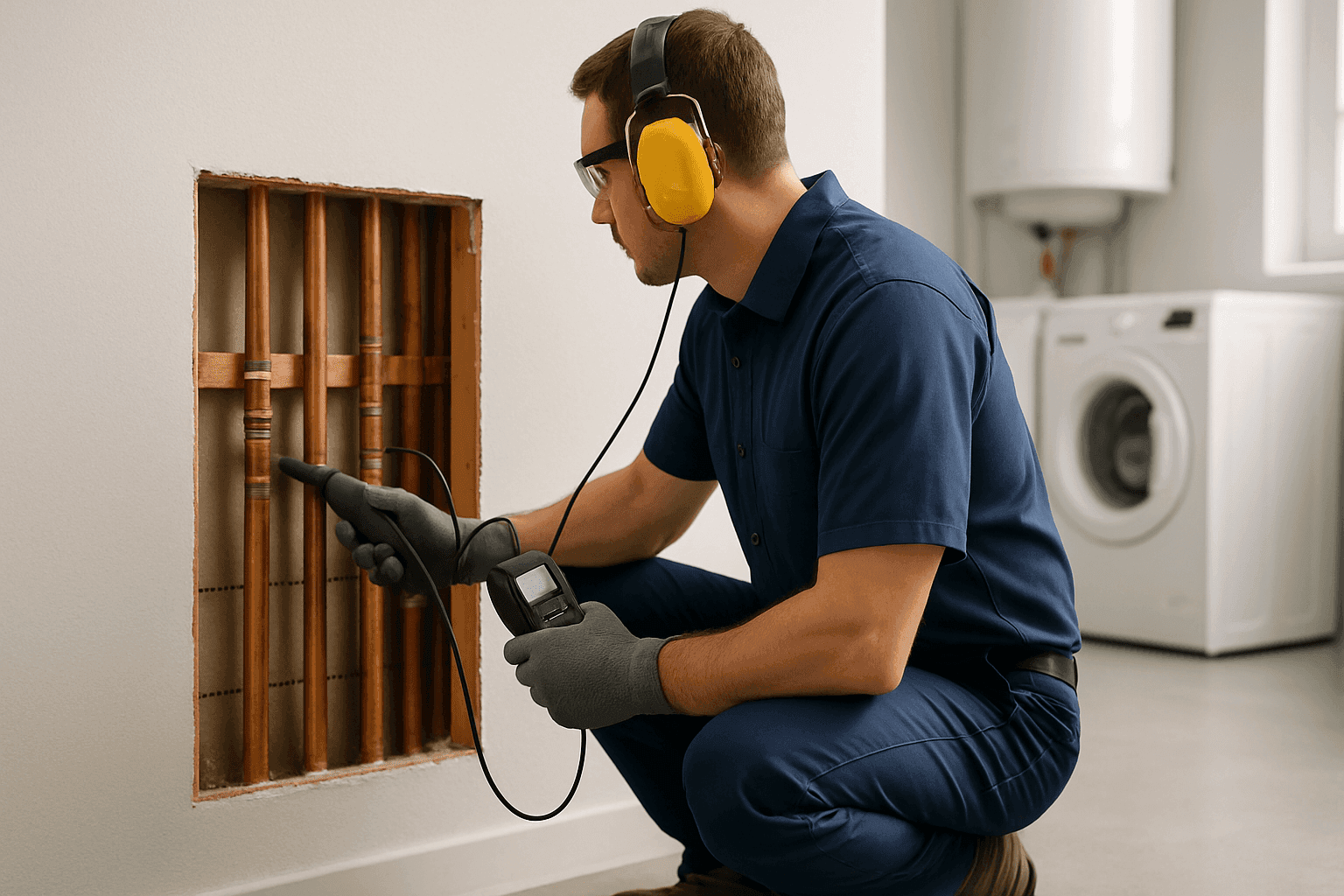
Every drip tells a story. Whether you’re a homeowner or run a busy facility, water leaks can sneak up on you—silently creating headaches, damage, and unexpected costs. Plumbing issues rarely wait for a “good time.” The faster you find and fix a pipe leak, the less you’ll spend on repairs and cleanup. At Do Rite Plumbing, we’ve helped countless families and business owners spot trouble early and take smart action.
So let’s get into it: how to spot pipe leaks, what causes them, and how to respond before a drip becomes a deluge.
Common Signs of Pipe Leaks 🕵️
Leaks don’t shout—they whisper. Here are the clues you might notice before a small leak becomes a plumbing disaster:
- Damp or discolored spots on walls, ceilings, or floors. Paint may bubble or peel, or surfaces feel strangely soft.
- Mold or musty odors. Even if you don’t see mold, a persistent earthy smell is a warning sign.
- Unexplained spikes in your water bill. A sudden jump isn’t just inflation—it could be water escaping somewhere in your plumbing.
- Low water pressure. Faucets that trickle or showers that can’t keep up may mean a hidden leak is reducing flow.
- Sounds of running water behind walls or under floors, especially when no taps are on.
- Warm spots on your floor (in slab homes or buildings), which could indicate a hot water line leak.
- Cracked foundation or sudden soil erosion around exterior walls or the building’s footprint.
If you spot any of these, don’t ignore them. Small leaks rarely stay small.
Typical Causes of Pipe Leaks
Not all leaks are created equal. Here’s what can trigger water to break free from your pipes:
- Corrosion: Over time, metal pipes can rust from the inside out. Even copper and galvanized steel have a lifespan.
- Joint failure: Seams, elbows, and connections are weak points. A joint that loosens or fails is a common culprit.
- Freeze-thaw cycles: Water expands as it freezes, putting pressure on pipes—especially in uninsulated spaces.
- High water pressure: Like a fire hose in a garden, too much force strains your plumbing, eventually causing cracks.
- Poor installation: Pipes that aren’t properly fitted, supported, or sealed are accidents waiting to happen.
- Ground movement: Tiny shifts in soil can stress buried pipes—especially sewer and main water lines.
- Clogs and blockages: Pressure builds up behind a clog, sometimes forcing water through the smallest crack.
- Aging materials: Polybutylene, old cast iron, and other outdated pipes are more prone to leaks as they become brittle.
Immediate Steps to Take if You Suspect a Leak
Time is water. The faster you act, the less you risk.
- Shut off the main water supply. Know where your main valve is—it’s your best friend during leaks.
- Turn off electricity if water is pooling near outlets or appliances.
- Contain the leak. Place buckets, towels, or pans to catch drips and move valuables out of harm’s way.
- Document the situation with photos or videos—helpful for insurance claims.
- Call a professional plumber. Fast action from a pro can often save drywall, flooring, and personal property.
When to Call a Plumber
Some leaks can be isolated with a wrench or patch kit. But call for help if:
- The leak is hidden or inside a wall, floor, or ceiling.
- There’s a steady flow of water you can’t control.
- You see signs of mold, structural damage, or electrical hazards.
- The water supply can’t be shut off or you’re unsure how.
Remember: plumbing repairs aren’t just about stopping the water. Pros ensure the root cause is fixed—so you’re not patching the same spot twice.
Preventing Future Leaks 🛡️
An ounce of prevention is worth a thousand buckets. Here’s how to keep leaks at bay:
- Schedule regular plumbing inspections (annually for homes, more often for busy facilities).
- Insulate pipes in attics, crawl spaces, and exterior walls before cold weather hits.
- Install water leak sensors—they’re like smoke detectors for plumbing.
- Maintain moderate water pressure (typically 40–60 psi for homes; check local code for commercial).
- Replace old or suspect pipes. Repiping may sound big, but it’s cheaper than repairing water damage.
- Address small leaks fast. Waiting “just a bit” can mean a bigger repair later.
Authoritative tip: The International Association of Plumbing and Mechanical Officials recommends annual checks and prompt repair of any found leaks to prevent costly property damage (see Uniform Plumbing Code guidelines).
How Plumbing Pros Detect Leaks
Wonder how plumbers “see” through walls? Modern tools make it possible:
- Thermal imaging cameras: Detect temperature changes to find hidden leaks.
- Acoustic listening devices: Pick up the subtle sound of water escaping under floors or behind drywall.
- Video pipe inspection: A flexible camera snakes inside pipes, revealing cracks, roots, or corrosion.
- Pressure testing equipment: Checks if your plumbing holds steady or drops, indicating a hidden leak.
These tools let pros find the exact leak location—sometimes without even cutting into walls.
Insurance 101: What to Know
Many property insurance policies cover “sudden and accidental” water damage—but not slow leaks or neglect. Take these steps:
- Act quickly: Delaying a repair can mean your claim is denied.
- Document everything: Photos, water bills, plumber’s notes.
- Contact your insurer as soon as possible if damage is significant.
Check your policy for details. Commercial facility managers should review coverage annually.
FAQ: Pipe Leak Detection & Response
How do I know if a leak is an emergency?
If water won’t stop or is near electricity, treat it as urgent. Shut off water and call for help.
Can I repair a pipe leak myself?
Small leaks (like under a sink) can sometimes be patched temporarily. For anything hidden, persistent, or affecting structural materials, call a plumber.
What if I rent my home or business space?
Notify your landlord or property manager immediately. You may still be responsible for minimizing damage.
Will my water bill go down after a repair?
Yes—assuming the leak was the cause of high usage, you’ll likely see a drop next cycle.
Local and Seasonal Risks to Watch
- Cold climates: Frozen pipes burst more often—insulate and let taps drip in deep freezes.
- Tree roots: In older neighborhoods, roots love old sewer lines.
- High groundwater: After heavy rain, check basements and crawl spaces for signs of seepage.
Final Thoughts
Pipe leaks don’t have to become a nightmare. Spot the signs early, act fast, and trust professionals with the tools and know-how to keep your property safe. Whether you’re a homeowner or manage a commercial building, taking leaks seriously saves money, stress, and property value in the long run.
Call Do Rite Plumbing now — or reach us anytime at 844-491-8481 .