Plumbing Emergency? What to Do Before Help Arrives
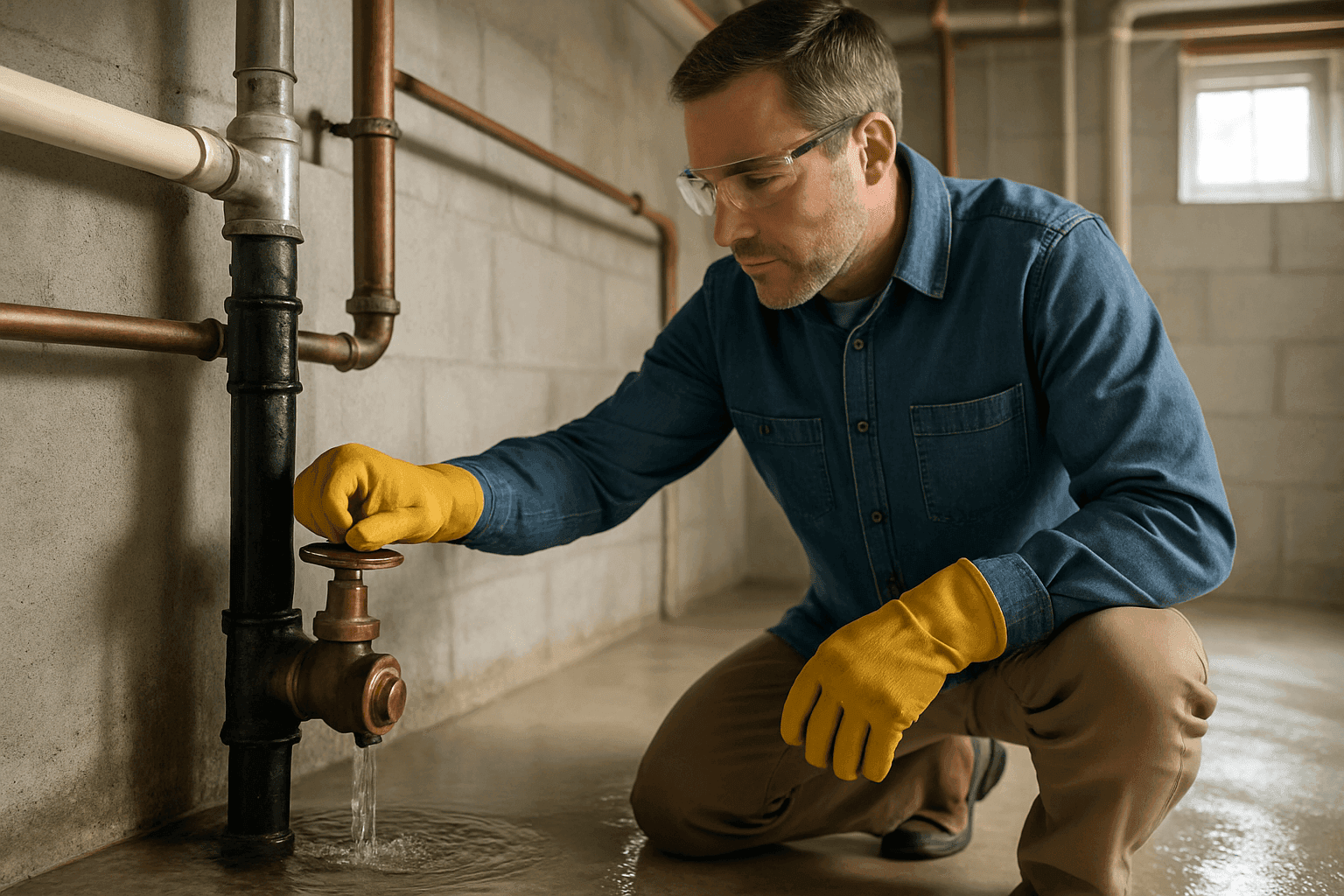
Plumbing emergencies never send a warning. One minute, everything is fine—the next, there’s water pouring down the hall or a suspicious odor rising from the basement. Whether you’re a homeowner or running a business, these moments can feel like a storm cloud rolling in out of nowhere.
Take a breath. The way you respond in the first few minutes can make all the difference. At Do Rite Plumbing, we help families and businesses get back on track, day or night. Here’s how you can take control before professional help arrives.
Recognizing a Plumbing Emergency 🚨
Not every drip or clog is an emergency. But some plumbing problems can quickly spiral into disaster if left unchecked:
- Burst Pipes: Like a popped balloon, water gushes uncontrollably, soaking walls, floors, and belongings.
- Major Flooding: Water pooling in basements, kitchens, or bathrooms—especially near electrical outlets—poses a serious hazard.
- Sewage Backups: Foul smells, slow drains, and dirty water coming up from sinks or tubs can signal a sewage line blockage.
- No Water or Sudden Drop in Pressure: Could mean a main line issue or a serious leak.
- Gas Leaks: A rotten egg odor near gas appliances or pipes—this is an immediate danger.
If you’re unsure, treat the situation like a house fire: act fast, stay calm, and protect what matters most.
First Response Checklist
When water is escaping or sewage is backing up, every second counts. Here’s what to do:
- Shut Off the Main Water Valve: Locate your home or building’s main shutoff. Turn it clockwise to stop water flow. In commercial settings, know your emergency procedures and valve locations.
- Turn Off Electricity (If Safe): If water is near outlets or appliances, shut off power at the breaker panel. Never touch electrical equipment if you’re standing in water.
- Contain the Leak: Use buckets, towels, or a mop to keep water from spreading. Move valuables out of harm’s way.
- Open Drains and Faucets: This helps any remaining water in the pipes drain out, reducing pressure.
- Avoid Using Plumbing Fixtures: Flushing toilets or running sinks can make the problem worse.
- Ventilate the Area: Open windows or doors to let fumes escape, especially with sewage or gas smells.
These steps aren’t just about saving floors and furniture—they’re about safety. Refer to local building codes, such as the International Plumbing Code (IPC), for guidance on emergency shutoff and safety protocols.
Protecting Property and Valuables
Think of water as an uninvited guest: it goes wherever it wants. Move electronics, important documents, and furniture away from the affected area. Roll up rugs and get them off wet floors.
If you can, snap a few photos of the damage for insurance. This helps paint a clear picture later.
When to Evacuate or Call Emergency Services
Some situations are bigger than a plumbing fix:
- Flooding Near Electrical Panels: Leave the area and call emergency services (such as 911 or your local fire department).
- Suspected Gas Leak: If you smell gas, evacuate immediately. Don’t use light switches or phones inside the building. Once outside, call your gas provider or emergency services.
- Sewage Flooding: Exposure can lead to health risks. If sewage is spreading widely, evacuate until it can be contained.
Your safety always comes first. If you’re ever in doubt, get outside and call for help.
Communicating with Professionals 🛠️
When you call for emergency plumbing help, be ready to share:
- Where the problem is (kitchen, basement, bathroom)
- How much water is leaking or pooling
- Any unusual smells, sounds, or recent changes to your plumbing
This helps the plumber bring the right tools and parts for the job. If you’re calling after hours, ask how soon someone can arrive and if there’s anything else you should do while waiting.
DIY vs. Calling a Pro
Some plumbing issues—like a slow drain or loose faucet—can wait until business hours. But emergencies such as burst pipes, water heater leaks, or sewer backups are best left to professionals.
Trying to fix major problems yourself can be like patching a hole in a boat with duct tape: the water keeps coming. Licensed plumbers have the training, tools, and parts to make safe, lasting repairs.
When in doubt, call for help. Search for “Pipe Repair near you” or “Emergency plumbing near me”—and keep Do Rite Plumbing’s number handy.
What Pros Do On Arrival
Here’s what you can expect when emergency plumbers arrive:
- Assessment: We quickly identify the source and stop the immediate threat.
- Temporary Repairs: If a full fix can’t be done right away, we stabilize the situation to prevent further damage.
- Clear Communication: You’ll get a rundown of what happened, what needs fixing, and any safety concerns.
- Documentation: We can provide written reports or photos for insurance when requested.
Every visit is about restoring safety and peace of mind. No shortcuts.
Prevention & Maintenance
A little prevention goes a long way. Regular plumbing inspections can catch small leaks, corrosion, or weak spots before they become disasters. Here are some simple habits for homes and businesses:
- Know where shutoff valves are, and make sure everyone in the building does too.
- Don’t ignore slow drains, dripping faucets, or recurring clogs—these are early warning signs.
- Schedule annual plumbing check-ups, including backflow testing and water heater inspections.
- In winter, insulate exposed pipes to prevent freezing and bursting.
The International Association of Plumbing and Mechanical Officials (IAPMO) and local building codes offer guidelines for routine maintenance and emergency planning.
Costs & Time Factors
Plumbing emergencies vary in cost and repair time. Factors include:
- Severity of Damage: A minor leak may take an hour to fix, while major flooding or sewer line issues could take several hours or more.
- Parts Required: Some repairs need special-order parts, which can extend the timeline.
- After-Hours Rates: Emergency visits outside regular business hours may have higher rates.
- Cleanup and Restoration: Water damage restoration sometimes involves separate specialists.
Ask your plumber for a clear estimate and timeline once they’ve assessed the situation. Transparency is key.
When It’s an Emergency
It’s an emergency if:
- Water is flowing uncontrollably and you can’t stop it.
- Raw sewage is entering your home or business.
- There’s a risk of electrical shock from water exposure.
- You smell gas or suspect a gas line problem.
- Critical fixtures (like toilets or water heaters) stop working in ways that threaten health or safety.
If you’re still unsure, err on the side of caution. A quick call to a plumber can help you decide.
FAQ
What should I do if my basement is flooding?
First, turn off the main water valve if you can do so safely. Then, cut power to the basement area. Move valuables upstairs. Do not enter standing water if electrical outlets or breakers are underwater—call for help.
Is it safe to use my plumbing after a major leak?
No. Wait for a professional inspection. Water pressure issues and leaks can cause hidden damage or contamination.
Why does my water heater leak?
Could be a loose connection, corrosion, or pressure issue. Turn off the power (electric or gas) and water supply, then call for an inspection.
Can I fix a burst pipe myself?
Temporary fixes—like wrapping with tape or a clamp—may slow the leak, but only a plumber can perform a safe, lasting repair.
Local/Seasonal Considerations 🌧️
Cold snaps can freeze exposed pipes, especially in basements, attics, or exterior walls. In rainy seasons, sump pumps and backflow prevention devices are your first line of defense against flooding. Businesses should follow OSHA and local safety guidelines for plumbing emergencies.
Stay prepared by reviewing emergency plans every season, especially before extreme weather.
When plumbing problems strike, every second counts. Do Rite Plumbing is here to help you regain control—quickly, safely, and with minimal stress.
Call Do Rite Plumbing now — or reach us anytime at 844-491-8481 .